Trekking
High Altitude Trail Running in Nepal: Training and Racing Above the Clouds
Running at altitude in Nepal demands specific preparation but rewards you with some of the most dramatic course scenery on Earth.
Overview
Trail running at altitude above 3,500 metres is physiologically different from running at sea level in ways that surprise even experienced runners. Reduced oxygen partial pressure means your aerobic engine produces significantly less power — most runners slow by 20 to 40 percent compared to their sea-level performance above 4,000 metres. Heart rate climbs faster, recovery slows, and the risk of altitude illness is real. Yet Nepal's high-altitude trail running scene keeps growing because the combination of technical terrain, cultural immersion, and pure mountain exposure is unlike any other running environment on Earth.
Key Routes for Altitude Running
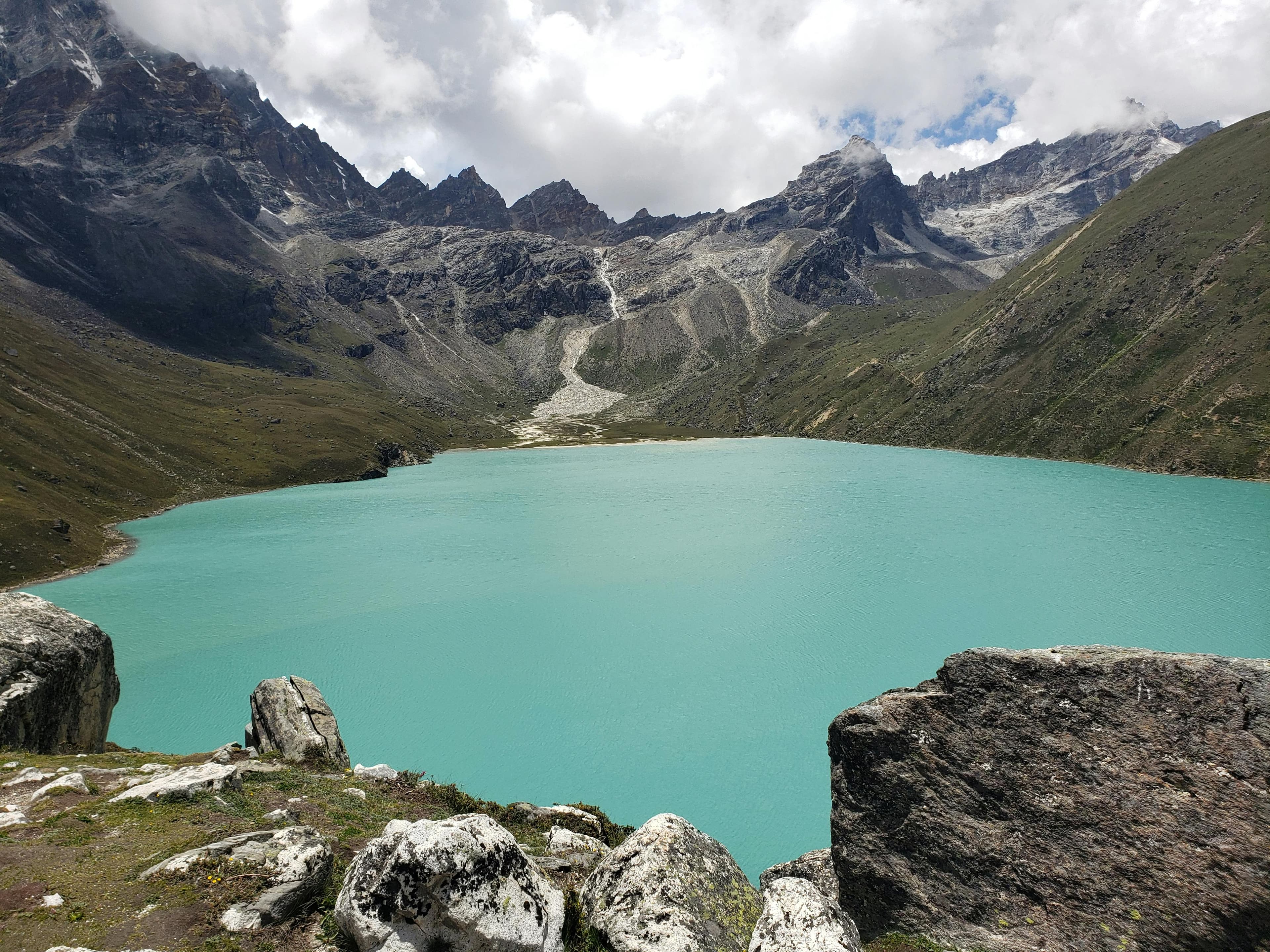
The Khumbu Classics — informal running routes connecting Namche Bazaar (3,440 m) to Tengboche (3,869 m) and on toward Dingboche (4,360 m) — are the most popular for acclimatised runners staying in the Everest region. The Gokyo Lakes route from Namche to the fifth lake (4,990 m) involves 1,550 metres of vertical gain on rocky trail that rewards runners with a close-up view of the Ngozumba Glacier. Around Pokhara, the Annapurna Skyline route from Naya Pul to Ghorepani (2,874 m) covers 22 km with 1,500 m gain and is runnable by anyone with half-marathon fitness.
Acclimatisation Protocol
Do not attempt to run hard above 3,000 metres within the first 48 hours of arriving at that altitude. Spend the first 2 to 3 days hiking at easy effort. Sleep altitude drives acclimatisation — run high, sleep low where possible. Above 4,000 metres, limit hard training to 60 to 70 percent of effort and listen carefully to any headache, nausea, or unusual fatigue — these are signals to descend, not push through.
Nutrition and Hydration at Altitude
Altitude suppresses appetite and accelerates fluid loss through increased respiration rate. Force regular eating even when not hungry. Target 500–700 ml of fluid per hour of running. Electrolyte supplementation becomes more important than at sea level. Carbohydrate dependence increases at altitude — fat oxidation becomes less efficient as oxygen drops.
Planning this trip? 🎒
Don't stress about transport or guides. Sajilo offers verified cabs, luxury tourist buses, and expert guides across Nepal.
FAQ
Q: Can I run at altitude without acclimatisation if I am very fit?
No. Fitness does not prevent altitude illness. Even elite runners can develop acute mountain sickness. Proper ascent rate and acclimatisation days are non-negotiable regardless of fitness level.
Q: What are the symptoms of altitude sickness I should watch for while running?
Persistent headache, nausea or vomiting, loss of coordination, unusual fatigue, confusion, or blue-tinged lips are all serious warning signs. Stop running immediately and descend at least 500 metres. If symptoms do not resolve, continue descending and seek medical attention.
Q: Are there organised trail running clubs in Nepal?
Yes. The Nepal Trail Running Association and several Kathmandu-based running clubs organise regular group runs in the Shivapuri National Park and Nagarkot area. Joining a group run is the best way to meet local trail runners and learn the unmarked routes.