Travel Tips
Mindfulness Travel Nepal Guide
Mindfulness travel — conscious, intentional tourism that cultivates presence rather than consumption — finds its natural home in Nepal. This guide covers how to travel Nepal mindfully and what this approach yields.
What Mindfulness Travel Means in Practice
Mindfulness travel is not primarily about visiting meditation centres, though that may be part of it. It is a quality of attention brought to any experience: the ability to be genuinely present with what is happening — the texture of a stone step in an ancient city, the smell of incense at a wayside shrine, the faces of people in a village market — rather than filtering experience through the lens of comparison, documentation, or consumption.
In practical terms, mindfulness travel involves: slowing down the pace of movement, spending more time in fewer places, making space for unstructured time rather than filling every hour with sights, prioritising depth of engagement over breadth of coverage, and maintaining a practice — meditation, journaling, yoga, walking — that continuously returns attention to the present.
Nepal rewards this approach abundantly. The country is rich enough in culture, landscape, and human warmth to sustain weeks of unhurried attention in a single valley. Those who rush through in two weeks often feel they have seen nothing; those who stay slowly in two areas often feel they have seen everything.
Lumbini: Birthplace of the Buddha
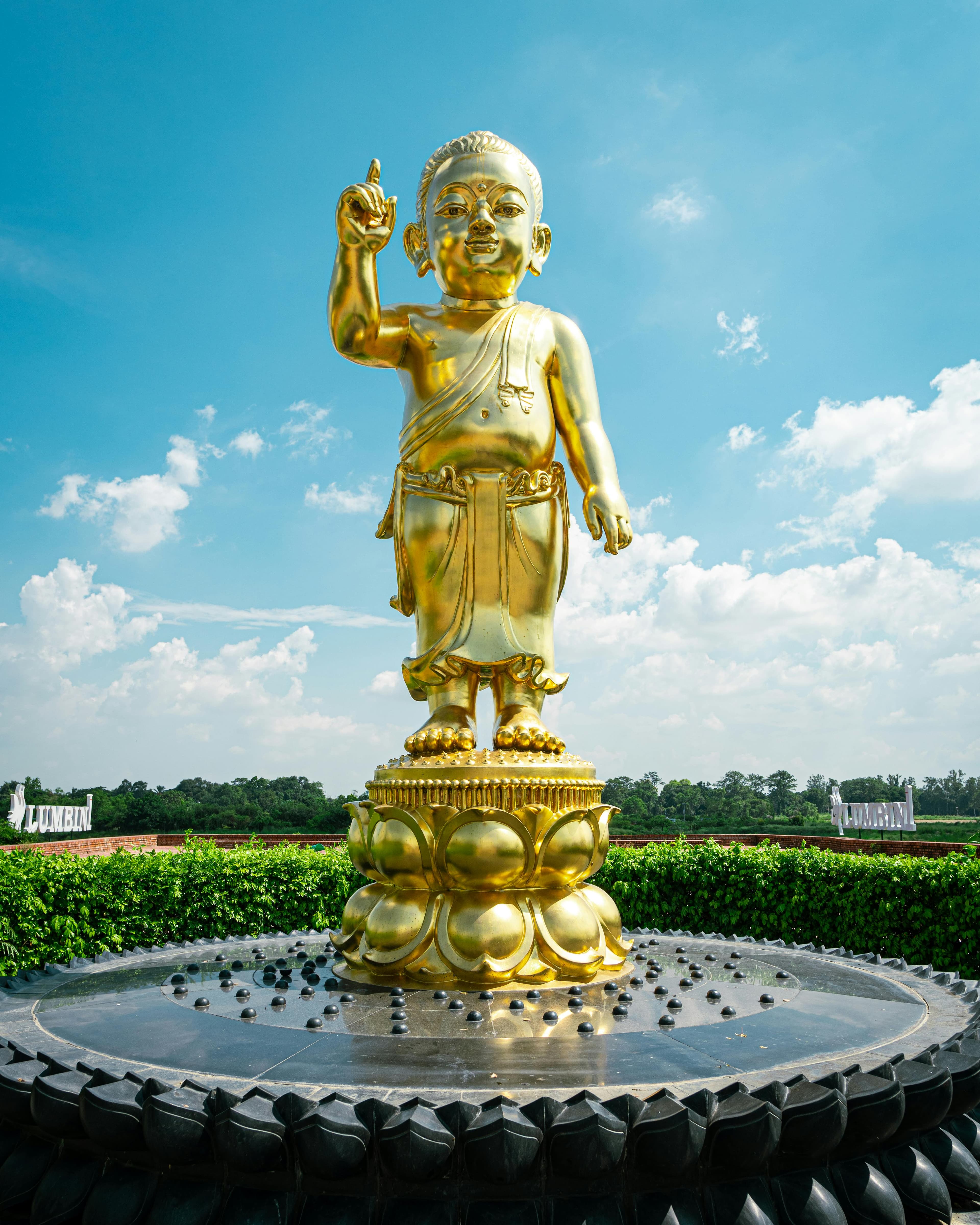
No mindfulness travel itinerary in Nepal is complete without time at Lumbini. Located in the Terai lowlands near the Indian border, Lumbini is the authenticated birthplace of Siddhartha Gautama — the historical Buddha. The sacred garden contains the Mayadevi Temple (marking the precise birth spot), the ancient Ashoka Pillar (third century BCE), and the Sacred Pool. Surrounding these ancient sites, a planned international peace zone contains dozens of monasteries built by Buddhist nations from Thailand, Japan, Korea, China, Myanmar, Sri Lanka, Vietnam, and many others.
Planning this trip? 🎒
Don't stress about transport or guides. Sajilo offers verified cabs, luxury tourist buses, and expert guides across Nepal.
Lumbini is most powerfully visited slowly. Walking the site at dawn, before tour groups arrive, in genuine silence, is available to anyone willing to arrive early. Taking a bicycle through the monastery zone and sitting in temples of different Buddhist traditions — each with its own architectural idiom and atmosphere — is an exceptional contemplative practice.
When planning intercity travel around Nepal, using a reliable transport platform like Sajilo helps reduce the logistical friction that can otherwise consume the mental space that mindful travel requires — leaving your attention free for the journey itself.
Boudhanath: Walking the Stupa
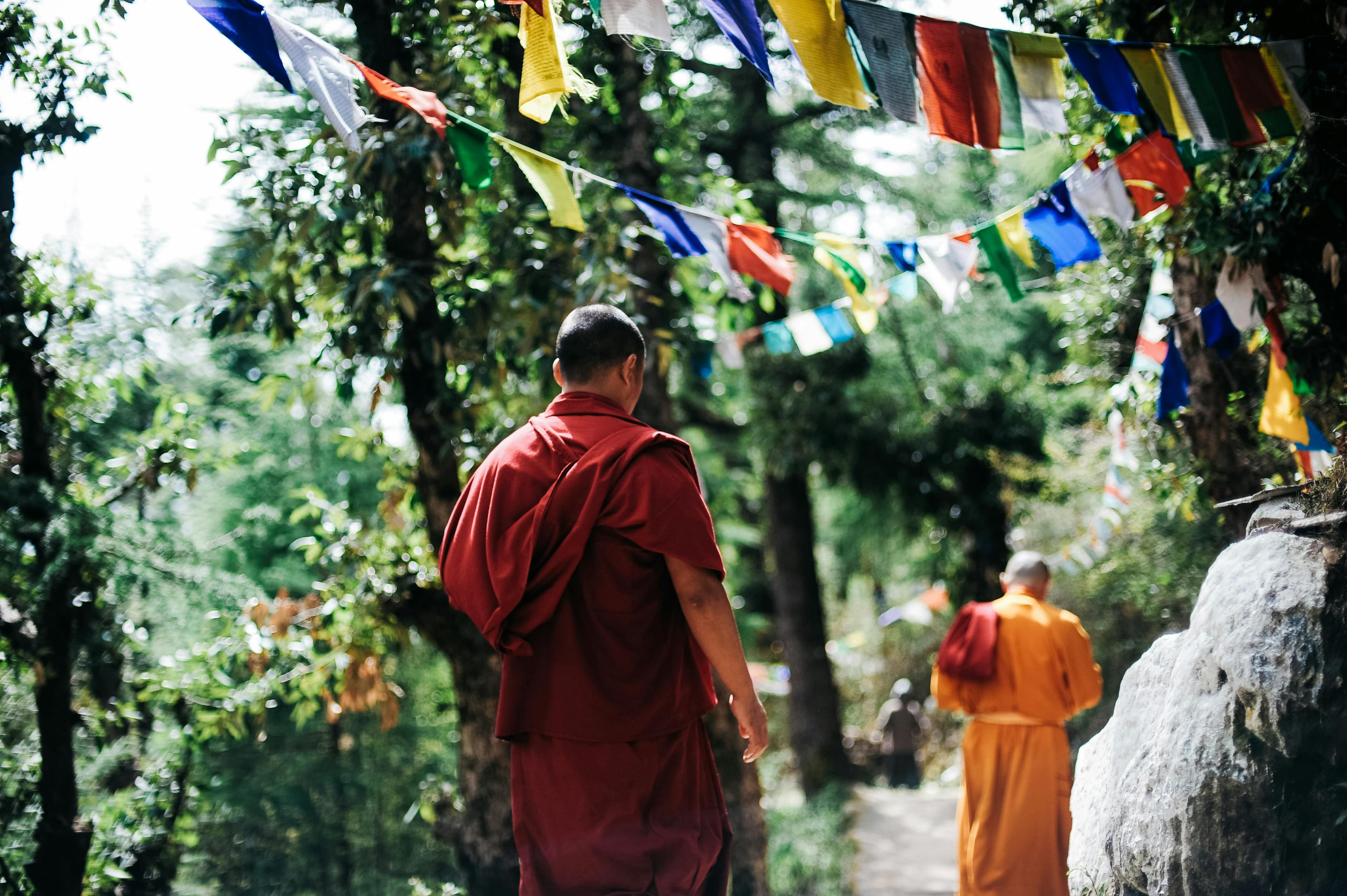
Boudhanath's great stupa is one of the largest in the world and the heart of Nepal's Tibetan Buddhist community. Walking the kora — the clockwise circumambulation path around the stupa — with sincere attention is a mindfulness practice available to anyone at any time of day. Dawn and dusk are most atmospheric: monks and laypeople spin prayer wheels, murmur mantras, and maintain a steady meditative walk that naturally invites slower, more present movement.
Patan and the Old Cities
Patan (Lalitpur), Bhaktapur, and Kathmandu's old city centre contain medieval architecture, temples, courtyards, and living religious practices that reward slow, attentive walking far more than rushed sightseeing. The Durbar Squares of all three cities are UNESCO World Heritage Sites. Arriving early, sitting in a courtyard with tea, and simply observing the morning activity around a temple over an hour produces a quality of cultural encounter that five minutes and a photograph cannot.
Slow Walking as Mindfulness Practice
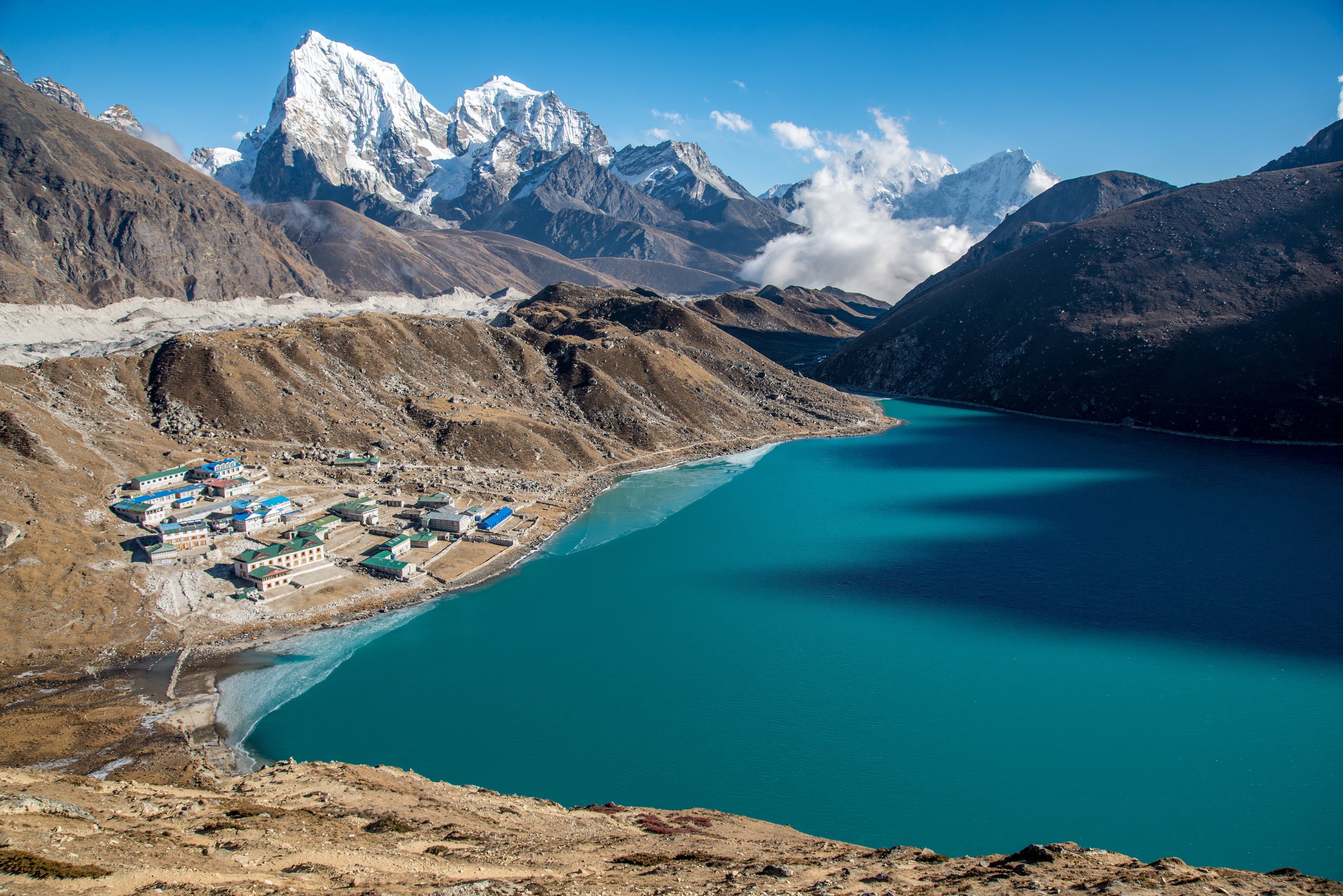
Trekking in Nepal can become another form of consumption: bagging altitude, collecting summits, rushing to lodges. Slow walking — covering less distance with more attention to the path, the environment, and internal experience — transforms trekking into moving meditation. This is not about lack of ambition; it is about the quality of presence during the journey.
FAQ
Q: Are there organised mindfulness travel programmes in Nepal?
A: Yes. Some tour operators specifically design slow-travel itineraries. Several yoga and meditation retreat centres also offer post-retreat guided cultural immersion days in Kathmandu and Patan.
Q: Is Lumbini worth the travel from Kathmandu?
A: For anyone interested in Buddhism, mindfulness, or contemplative travel, unequivocally yes. Fly or take a tourist bus to Bhairahawa and take local transport from there.
Q: How many days should I spend in Lumbini?
A: A minimum of two full days allows proper engagement with the sacred garden, the monastery zone, and the atmosphere of the place. Three to four days allows deeper exploration and genuine unhurrying.