Travel Tips
Healing Trauma Retreats Nepal
A growing number of retreat centres in Nepal offer programmes specifically designed to support trauma recovery through yoga, somatic therapy, meditation, and nature immersion. This guide covers what is available and how to evaluate programmes safely.
The Context for Trauma-Informed Retreats
Trauma — whether from childhood adverse experiences, relationship violence, medical events, loss, or collective and cultural sources — affects the nervous system in ways that conventional talk therapy alone does not always fully reach. The body holds trauma: in chronic muscle tension, heightened startle response, disrupted sleep, and the recurring intrusion of body-based memories that bypass cognitive processing.
Trauma-informed yoga and somatic-based retreat programmes use body-centred approaches — gentle asana, breath practices, somatic awareness exercises, and regulated social connection — to address these body-held patterns alongside whatever therapeutic components are offered. Nepal's retreat community has developed a small but growing sector of programmes specifically designed around trauma-sensitivity.
What Distinguishes a Trauma-Informed Retreat
A trauma-informed programme differs from a general wellness retreat in several important ways:
Teacher Training and Clinical Support. Trauma-sensitive yoga facilitators have completed specific training (often Trauma Sensitive Yoga certification from the Justice Resource Institute or similar bodies) in addition to yoga credentials. Some programmes include licensed psychotherapists or clinical psychologists who provide individual sessions alongside group programming.
Planning this trip? 🎒
Don't stress about transport or guides. Sajilo offers verified cabs, luxury tourist buses, and expert guides across Nepal.
Invitational Language. Trauma-informed yoga uses invitational rather than directive language: "you might try," "if it feels available," "notice what your body is doing" — creating an atmosphere of choice and agency rather than compliance.
Emphasis on Safety and Regulation. Before any deeper therapeutic work, trauma-informed retreats prioritise establishing felt safety: predictable schedules, consistent teachers, clear boundaries, and practices that support nervous system regulation (grounding, orienting, breath work).
Go-Slow Philosophy. Effective trauma-informed retreats do not push for catharsis, breakthrough, or emotional release as a goal. They create conditions in which the nervous system can gradually move toward greater flexibility and integration at its own pace.
Aftercare. Responsible programmes provide clear guidance on aftercare: what to do if difficult material arises after leaving the retreat, recommended therapeutic support, and community connection.
What to Ask Before Booking
Before committing to any trauma-focused programme in Nepal, ask:
- What specific training do facilitators have in trauma-informed practice?
- Is there a clinical psychologist or licensed therapist on the team, or available for consultation?
- How does the programme handle crisis situations — severe dissociation, acute distress?
- What is the participant-to-facilitator ratio?
- What aftercare is offered or recommended?
Be cautious of programmes that promise "healing" as a guaranteed outcome, that use intensive breathwork or emotional catharsis as primary modalities without strong clinical containment, or that lack clear credentials for the practitioners involved.
Nature's Role in Trauma Recovery
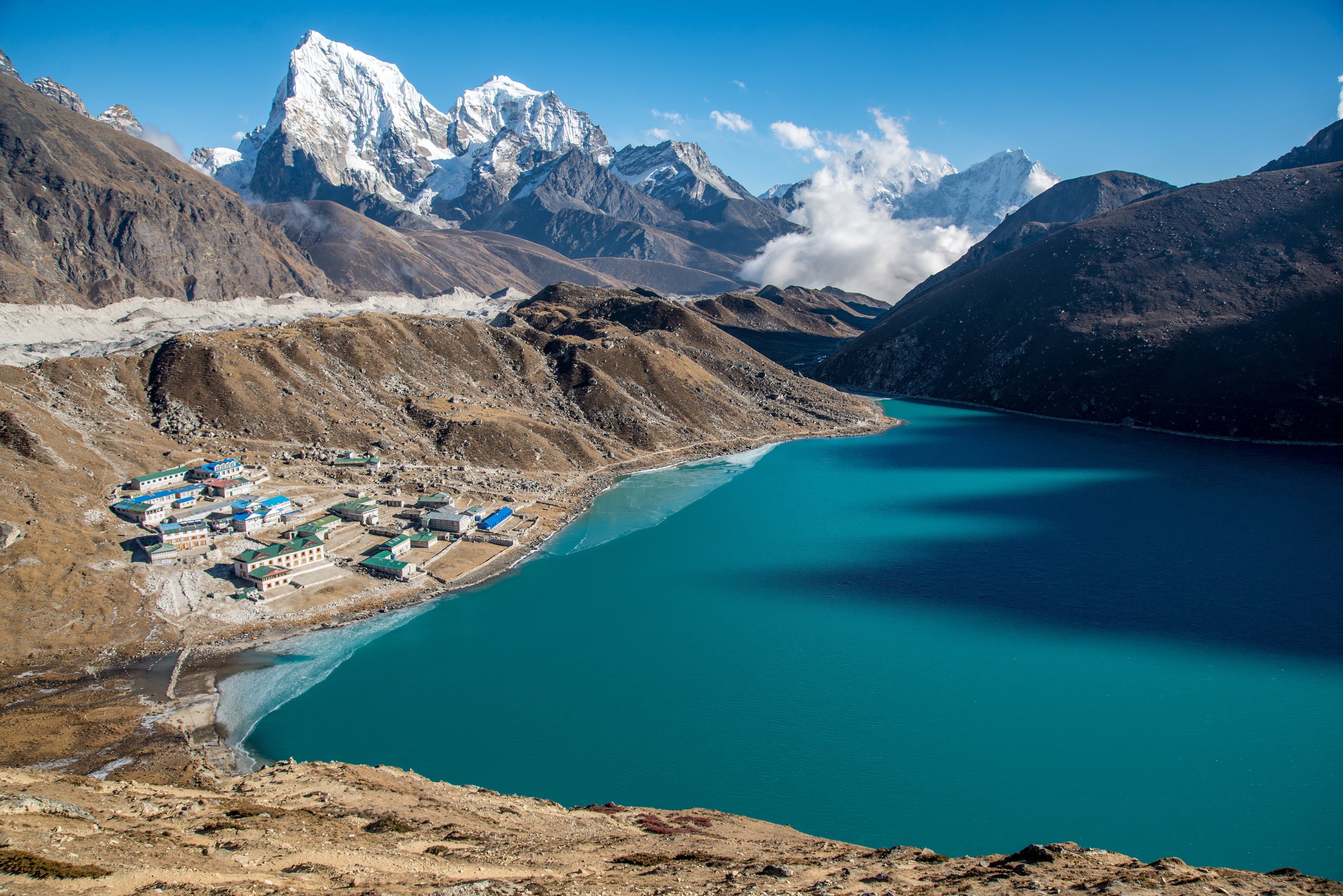
Nepal's natural environment is itself a therapeutic resource. Research on nature-based therapy consistently demonstrates that time in natural settings — forests, waterways, mountains — reduces cortisol levels, activates the parasympathetic nervous system, and supports the bottom-up (body-first) processing that trauma recovery requires. Walking slowly in forests, sitting beside rivers, and the grandeur of the Himalayan landscape all contribute physiologically to the conditions in which healing occurs.
Several Nepal retreat centres have incorporated nature-based activities — slow forest walks, sunrise mountain observation, gardening, working with animals — alongside clinical therapeutic elements specifically for their trauma-recovery programmes.
Appropriate Cautions
Not every trauma survivor is ready for a residential retreat programme. Some individuals benefit from establishing a stable individual therapeutic relationship first. If you have PTSD, severe depression, or active substance use, consult your mental health provider before booking. A reputable programme will welcome this conversation and may conduct a pre-intake screening to assess fit.
FAQ
Q: Can yoga alone heal trauma?
A: Yoga can be a powerful component of trauma recovery but is not a standalone treatment for trauma, particularly complex or developmental trauma. It works best as part of a broader therapeutic approach.
Q: How do I distinguish a genuinely trauma-informed programme from one that uses the term loosely?
A: Ask for specific certifications, training credentials, and clinical oversight. Genuine programmes are transparent about their clinical structure and limitations.
Q: What if I have a difficult experience during the retreat?
A: This is possible in any intensive programme. A well-designed trauma-informed retreat has a clear protocol for supporting participants through difficult experiences, including access to a qualified clinician.