Wildlife
Climate Change and Nepal's Wildlife: Crisis at the Roof of the World
Rising temperatures are reshaping Nepal's ecosystems, threatening species adapted to precise altitude bands and disrupting centuries-old seasonal rhythms.
Overview
Nepal is experiencing climate change at a rate faster than the global average. Himalayan temperatures have risen by approximately 0.6°C per decade since 1975 — nearly three times the global mean warming rate. This acceleration is altering the ecosystems that Nepal's remarkable biodiversity depends upon, forcing range shifts, disrupting phenological timing, and reducing habitat for species with no room to move upward. For a country whose entire ecological system is organised along altitude gradients, these changes represent an existential threat to many native species.
Glacial Lake Outburst Floods
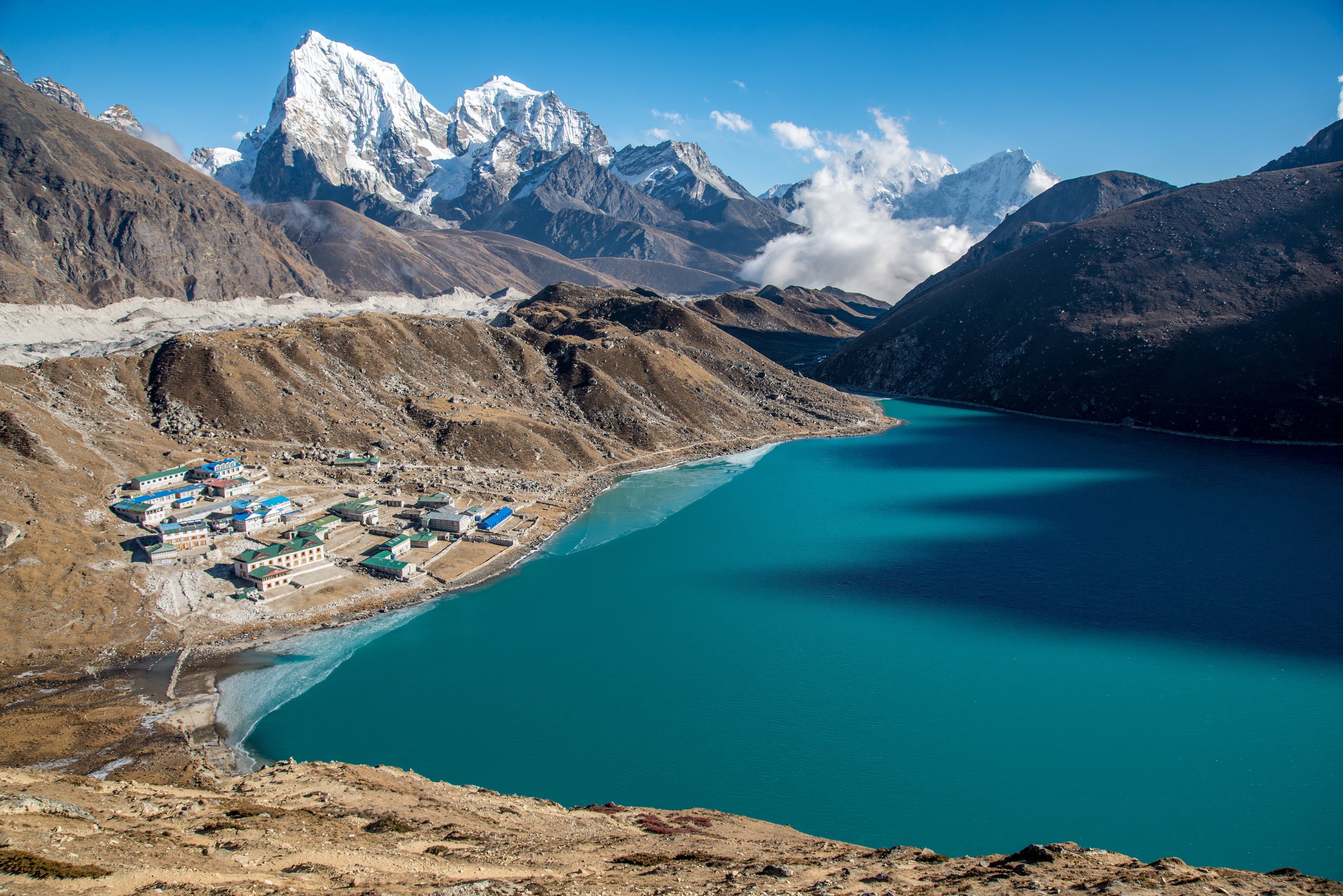
Nepal contains 3,624 glacial lakes formed by retreating glaciers. At least 21 are classified as dangerous by the International Centre for Integrated Mountain Development (ICIMOD). Glacial Lake Outburst Floods (GLOFs) release catastrophic volumes of water with minimal warning, destroying valley ecosystems, washing away riverine habitat critical for gharials and river dolphins, and disrupting the soil and vegetation patterns that support terrestrial wildlife.
Species Range Shifts
Field studies document clear upward altitude shifts across Nepal's flora and fauna. Rhododendron arboreum treelines are advancing upslope by 3-5 metres per year in some areas. High-altitude specialists including Himalayan tahr, red panda, and snow leopard are compressed into progressively smaller ranges as lower-altitude species expand their territory upward. Red pandas, already restricted to a narrow temperate bamboo belt, face the dual threat of bamboo species shifting upslope and the upper limit of their thermal tolerance being exceeded.
Disruption of Seasonal Timing
The monsoon onset has become less predictable over the past two decades, with implications for wildlife that depend on monsoon-triggered breeding and migration cycles. Bar-headed Geese crossing Nepal during migration time their crossing to stable weather windows that are now less reliable. Bharal rut timing and the predation pressure of snow leopards are calibrated to seasonal plant cycles that are shifting year by year.
Planning this trip? 🎒
Don't stress about transport or guides. Sajilo offers verified cabs, luxury tourist buses, and expert guides across Nepal.
What Is Being Done
The Nepal government has incorporated biodiversity targets into its climate adaptation plans. The Terai Arc Landscape Programme works with WWF, Wildlife Conservation Society, and local governments to maintain and expand wildlife corridors that allow species to shift ranges. Glacial lake hazard monitoring has been expanded. Community forest networks provide natural habitat connectivity across 2.3 million hectares outside formal protected areas.
FAQ
Q: Which Nepal wildlife species are most threatened by climate change?
Snow leopard, red panda, glacial stream specialists (Himalayan trout, torrent frogs), and high-altitude plant communities are considered most vulnerable. All are restricted to specific altitude bands with limited capacity to shift ranges further upward. The snow leopard faces the additional challenge of prey species (bharal) also being pushed to higher, increasingly marginal habitat.
Q: Can ecotourism help fund climate adaptation for Nepal's wildlife?
Yes. A significant portion of national park entry fees, conservation levies on trekking permits, and community ecotourism revenue is directed toward park management and buffer zone programming. Choosing responsible operators, staying in eco-certified lodges, and contributing to conservation-focused tour fees creates direct funding for climate resilience work.
Q: Is Nepal on track to meet its biodiversity and climate commitments?
Nepal submitted an ambitious Nationally Determined Contribution under the Paris Agreement, targeting net-zero greenhouse gas emissions by 2045. On biodiversity, Nepal has exceeded its own targets for protected area coverage. The challenge is ensuring that the quality of protection — anti-poaching enforcement, invasive species management, climate corridor connectivity — keeps pace with the expanding protected area network.